
VIVIDLY PRINT / HOUSTON, TEXAS
DTF, Screen Printing, Vinyl & Sublimation: A Buyer’s Guide
The most useful printing comparison starts with the garment, artwork and quantity. No single method is best for every Houston shirt order, and a method described in a guide is not automatically a service included in your quote.
Share an approximate quantity and your needed date. Artwork can be uploaded with your request.
Prefer to try your own layout? Visit the apparel design studio.
DTF for full-color graphics and varied quantities
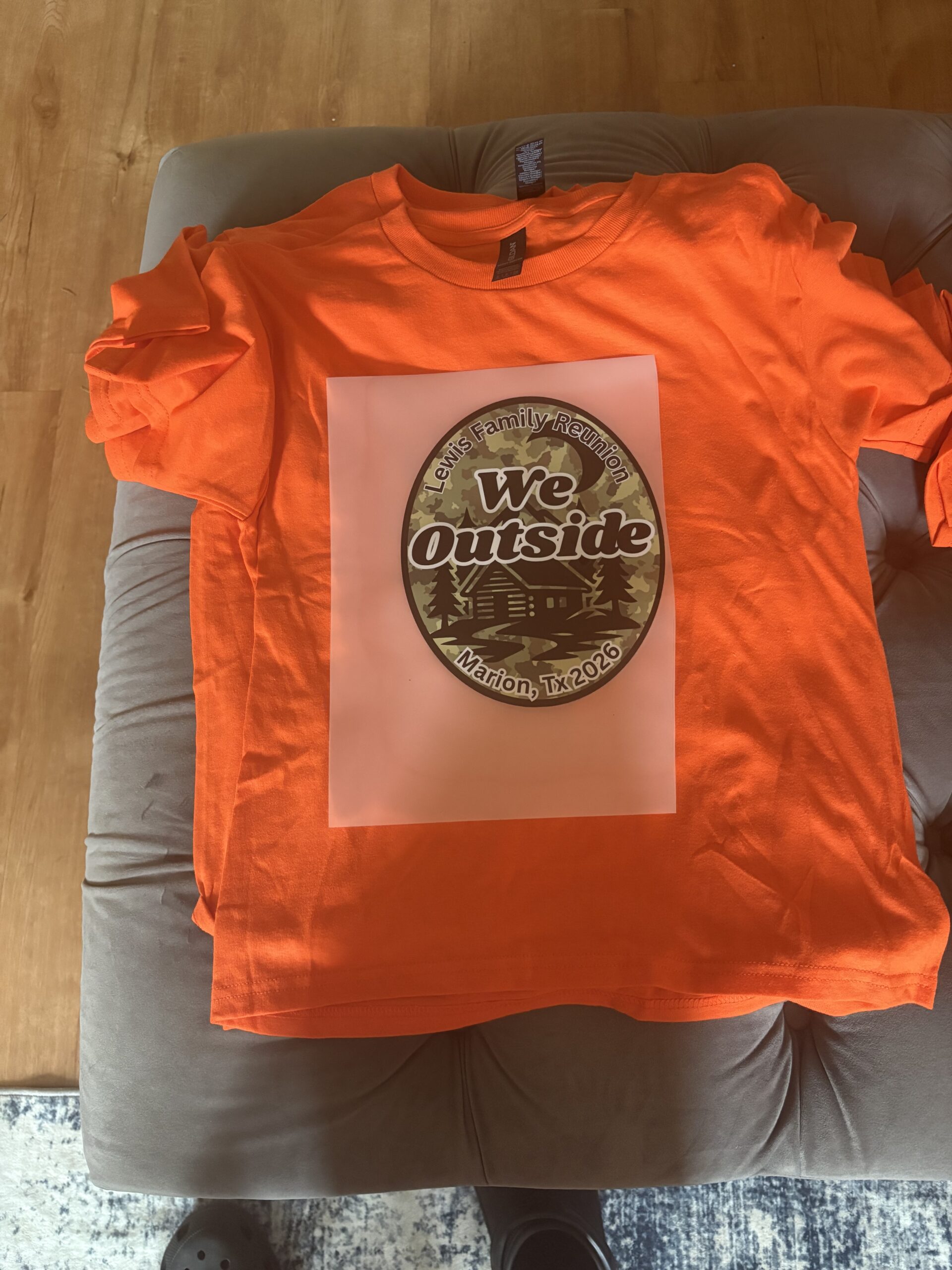
Direct-to-film printing produces artwork on a transfer that is heat applied to a compatible garment. Full-color logos, gradients and detailed graphics can make it an option worth discussing, including for smaller quantities.
Vividly Print produces DTF transfers and presses apparel in-house. Specify whether you need transfer-only artwork for your own pressing or finished garments. The fabric, design dimensions, quantity and application requirements still need review.
Screen printing and screen-printed transfers
Screen printing uses screens to apply an ink design. Screen-printed transfers are produced for a later heat-application step. These are different workflows from a DTF transfer even when both end in a printed shirt.
A repeated design with a limited color palette may have different production economics from a detailed full-color small run. Compare actual quotes at the same quantity and garment specification. This guide does not promise that Vividly Print will supply an unconfirmed production method.
Cut vinyl and individual changes
Heat-transfer vinyl is often cut into shapes or lettering before application. Whether it suits a name, number or simple mark depends on the selected material, artwork and garment. Fine details and multiple colors can change the preparation involved.
Do not select a method by a universal durability ranking. Ask about the actual decoration product, garment compatibility and care instructions. Different materials within the same method can have different requirements.
Conventional dye sublimation
Sublimation uses dye with a compatible substrate. Apparel generally needs suitable light-colored polyester; hard goods need blanks intended or coated for the process. There is no white ink in conventional dye sublimation to turn a dark blank into a white canvas.
For a dark cotton shirt or a mixed apparel order, discuss the available alternatives. A decorated-product photo is useful context but does not establish that an unrelated customer-supplied item can be processed.
Compare a complete specification
Send the garment model, colors, size breakdown, finished print dimensions, locations and quantity. Ask which method is included, whether artwork preparation is needed and what happens if the chosen blank is unavailable.
For a clothing release, consider reviewing a sample before scaling. For a team or business order, check how reorders and individual variations will be handled. Price, appearance, feel and schedule should all be assessed against the same requirements.
Manufacturer background
See Transfer Express on DTF transfers, its DTF and screen-print-transfer comparison, and SanMar on sublimation. Product-specific settings in those references should not be copied to a different transfer or garment.
Use the guide for your own order
Request DTF pricing · Sublimation products · Choose a shirt fabric
Ask Vividly Print about your project
Share your artwork or idea, garment preferences, approximate quantity and needed date. We will confirm products, pricing and availability before you order.